
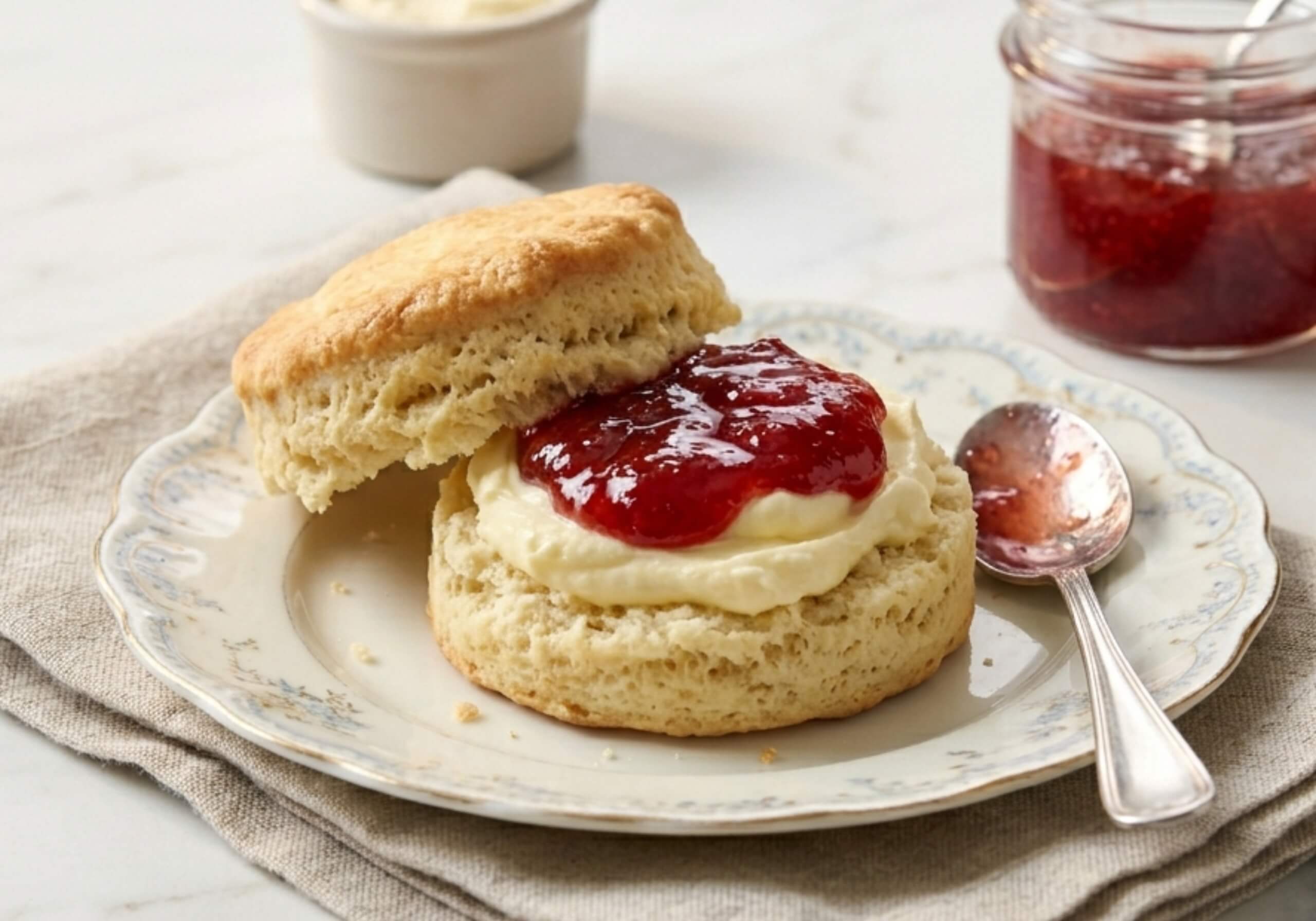
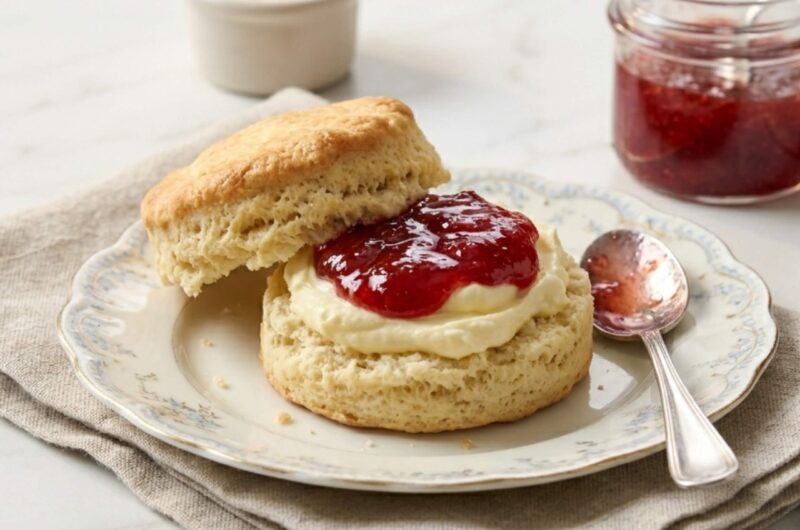
A quite comforting plate of warm, golden traditional scones that is served with a dollop of jam and a generous scoop of clotted cream. The odor of freshly baked scones wafting through the kitchen captures the timeless charm of an English afternoon tea. Every bite feels like a gentle pause from the rush of the day. These are simple, soft, and irresistibly buttery and invite you to indulge in a tradition that has delighted generations.
Scones were originated from Scotland in the early 1500s, where they were first made from oats and cooked on griddles rather than baked. Over time, they became a cherished part of British tea culture. Today, scones remain a symbol of British hospitality, served at every tearoom from London to the countryside.
Why You’ll Love This Recipe
- Made with simple pantry ingredients that come together in under 30 minutes.
- Light, fluffy, and buttery texture with a beautifully golden crust.
- Perfect for afternoon tea, brunch gatherings, or weekend baking.
- Easy for beginners and requires no special equipment.
- Pairs wonderfully with a variety of jams, preserves, and creams.
- A timeless British classic that never goes out of style.
- Customizable with fruits, citrus zest, or spices for different flavors.
- Freshly baked scones fill your kitchen with an irresistible homemade aroma.
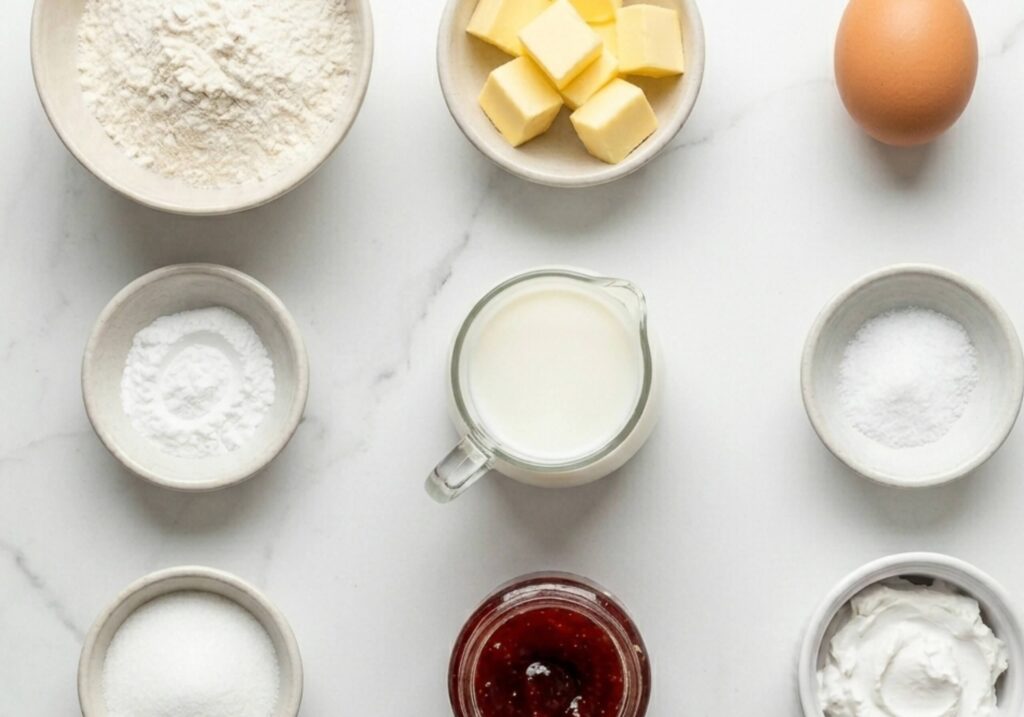
Ingredients
For the Scones
- 2 cups all-purpose flour
- 2 tsp baking powder
- 1/4 tsp salt
- 50g cold unsalted butter, cubed
- 2 tbsp caster sugar
- 1/2 cup milk, plus extra for brushing
- 1 egg (optional, for richer flavor)
For Serving
- Clotted cream or thick whipped cream
- Strawberry jam
How to make British Traditional Scones
Preheat and Prep:
First you must set your oven to 200°C (400°F) and line a baking sheet with parchment paper.
Mix Dry Ingredients:
Now in a large bowl, combine flour, baking powder, salt, and sugar.
Cut in the Butter:
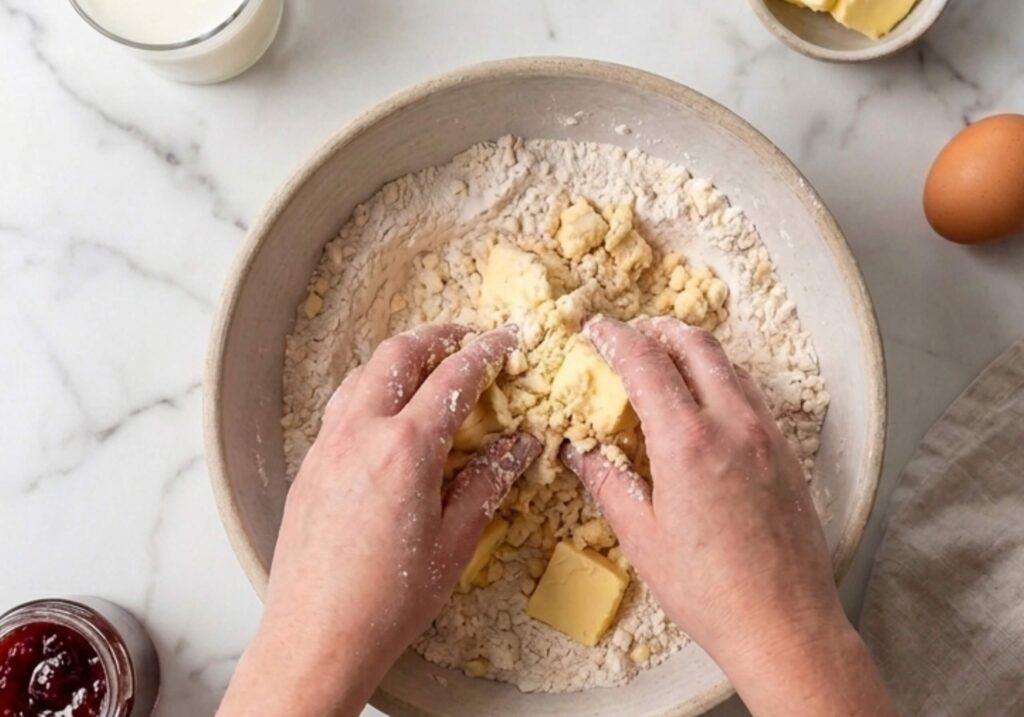
Rub cold butter cubes into the flour mixture with fingertips until the texture resembles breadcrumbs and look flaky. Cold butter confirms flaky scones.
Add Milk:
Then pour milk in dry batter gradually while stirring until a soft dough forms. Avoid overmixing batter to keep the texture tender.
Shape and Cut:
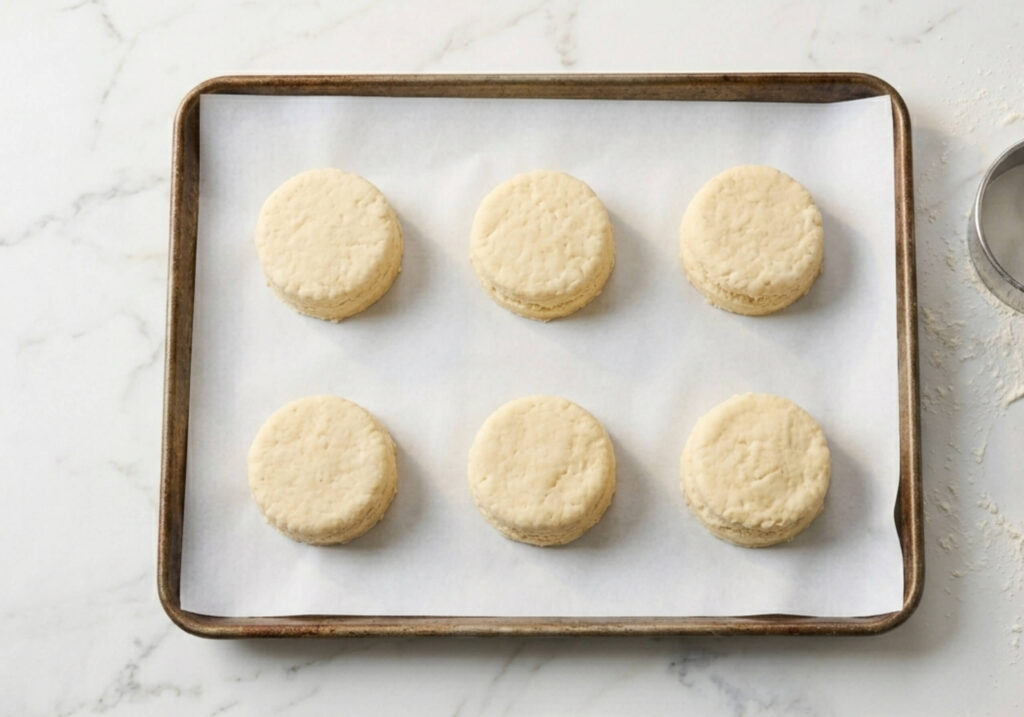
Shape the dough into scones. For this transfer the dough to a floured surface. Use a round cutter about 5–6 cm to cut out scones.
Bake:
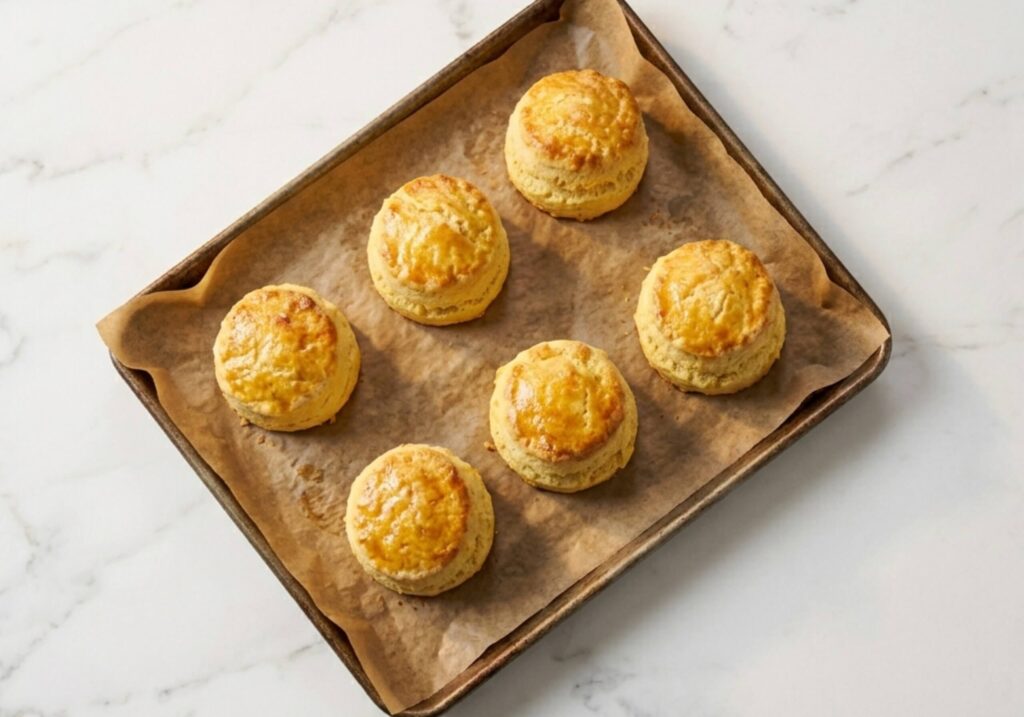
Arrange scones on the baking tray, brush top surface lightly with milk, and bake for 12–15 minutes until risen and golden.
Cool and Serve:
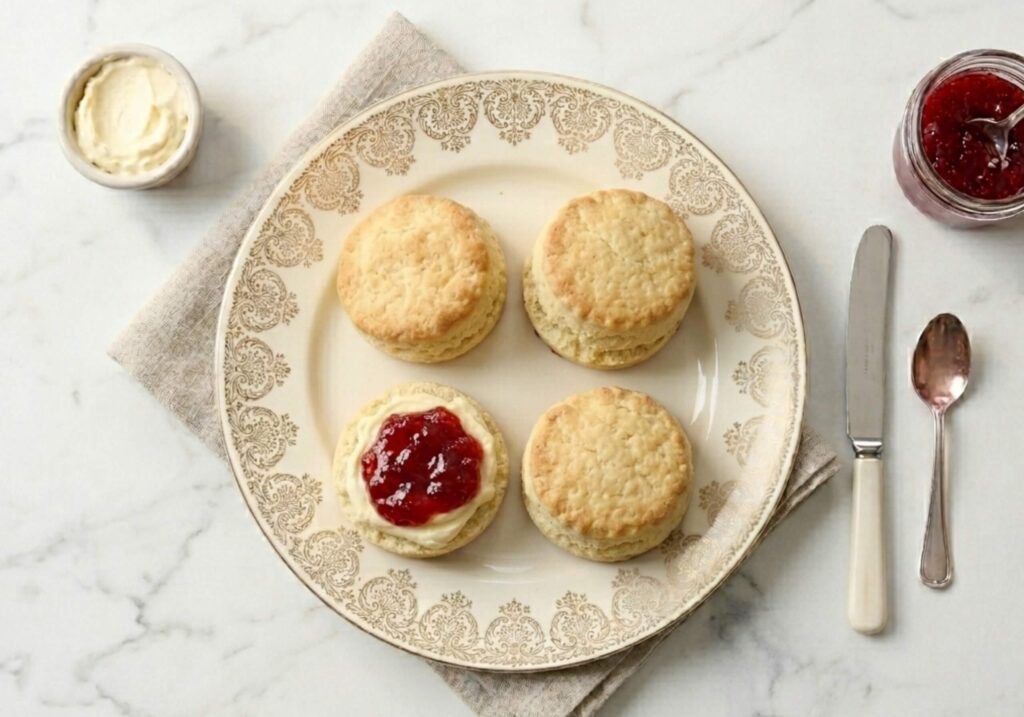
Allow baked scones to cool slightly on a wire rack. Serve warm with a spoonful of jam over a generous layer of clotted cream.
Serving Suggestions
Serve these traditional British scones with:
- Strawberry jam and clotted cream for the authentic experience.
- Raspberry or blackberry preserves for a fruity variation.
- Lemon curd for a bright, citrusy twist.
- Fresh berries and whipped cream during summer months.
- A hot cup of English breakfast tea or Earl Grey tea.
- Coffee or hot chocolate for a cozy breakfast treat.
Variations
- Fruit Scones: You can add 50g of raisins to the dough for a traditional twist.
- Lemon Glaze: You can also brush baked scones with lemon syrup for a fragrant finish.
Tips for Perfect Scones
- Use cold milk and butter and all other ingredients at room temperature at least.
- Try to serve freshly baked warm scones.
FAQs
1. What is the difference between American biscuits and British scones?
Scones are slightly sweeter and denser than American biscuits that are savory.
2. What is the proper way to eat scones. Is cream first or jam first?
In Devon, cream goes first on baked scones, followed by jam. In Cornwall, it is jam first, then cream. Either way, both are delightful.
Traditional British Scones with Jam and Cream are proof that the simplest recipes often become the most cherished. Their soft, buttery texture and classic pairing of sweet jam and rich cream create a delightful treat that has been enjoyed for generations.
Whether you’re hosting an elegant afternoon tea, celebrating a special occasion, or simply treating yourself to a cozy homemade bake, these classic scones never disappoint. Fresh from the oven and served warm, they bring a little taste of British tradition to every table.
So brew your favorite cup of tea, spread on the jam, add a generous spoonful of cream, and enjoy every comforting bite of this timeless British favorite.
British Traditional Scones with Jam and Cream
Course: Sweet SnacksCuisine: EuropeanDifficulty: Medium8
servings15
minutes15
minutes220
kcalTraditional British scones with jam and clotted cream. Soft, buttery, and easy to make in 30 minutes – perfect for afternoon tea.
Ingredients
- For the Scones
2 cups all-purpose flour
2 tsp baking powder
1/4 tsp salt
50g cold unsalted butter, cubed
2 tbsp caster sugar
1/2 cup milk, plus extra for brushing
1 egg (optional, for richer flavor)
- For Serving
Clotted cream or thick whipped cream
Strawberry jam
Directions
- Preheat and Preparation
– First you must set your oven to 200°C (400°F) and line a baking sheet with parchment paper. - Mix Dry Ingredients
– Now in a large bowl, combine flour, baking powder, salt, and sugar. - Cut in the Butter
– Rub cold butter cubes into the flour mixture with fingertips until the texture resembles breadcrumbs and look flaky. Cold butter confirms flaky scones. - Add Milk
– Then pour milk in dry batter gradually while stirring until a soft dough forms. Avoid overmixing batter to keep the texture tender. - Shape and Cut
– Shape the dough into scones. For this transfer the dough to a floured surface. Use a round cutter about 5–6 cm to cut out scones.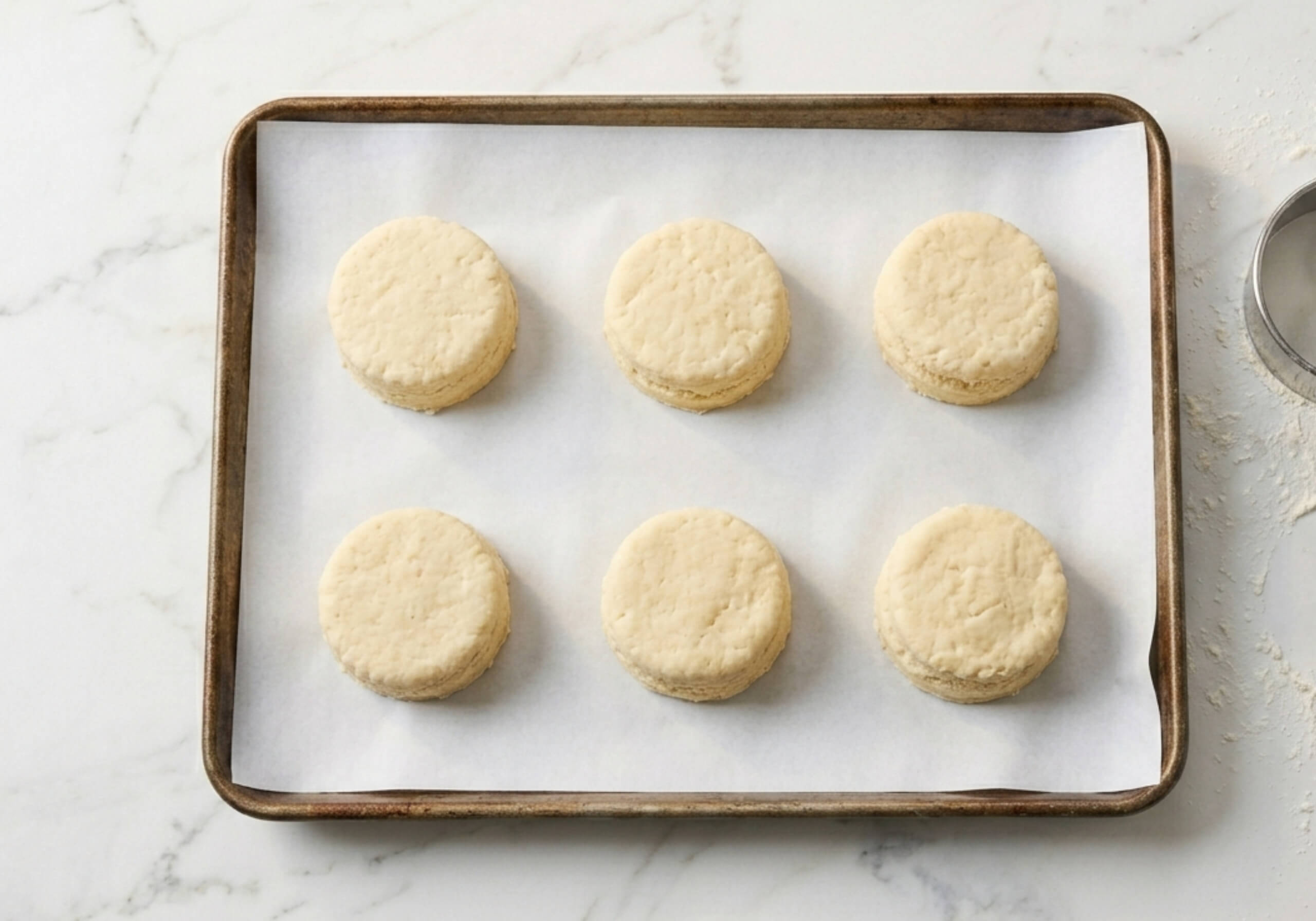
- Bake
– Arrange scones on the baking tray, brush top surface lightly with milk, and bake for 12–15 minutes until risen and golden. - Cool and Serve
– Allow baked scones to cool slightly on a wire rack. Serve warm with a spoonful of jam over a generous layer of clotted cream.
Notes
- Use cold milk and butter and all other ingredients at room temperature at least.
Airina Teej is a food scientist who creates simple recipes while exploring flavors and ingredients. She also shares food research focused on improving health and everyday well-being.